Best Email Marketing Tools for Beginners (2026 Guide)
Best Email Marketing Tools for Beginners help you start, grow, and automate your email list without confusion. In this guide, you’ll learn which tools are easiest to use, what features actually matter for beginners, and how to choose the right platform for your needs. Choosing the right tool matters because it can save you time, improve your email results, and prevent costly mistakes early on. By the end, you’ll have a clear, trusted shortlist of beginner-friendly email marketing tools you can confidently use to start and scale.
Pricing and Free Plans
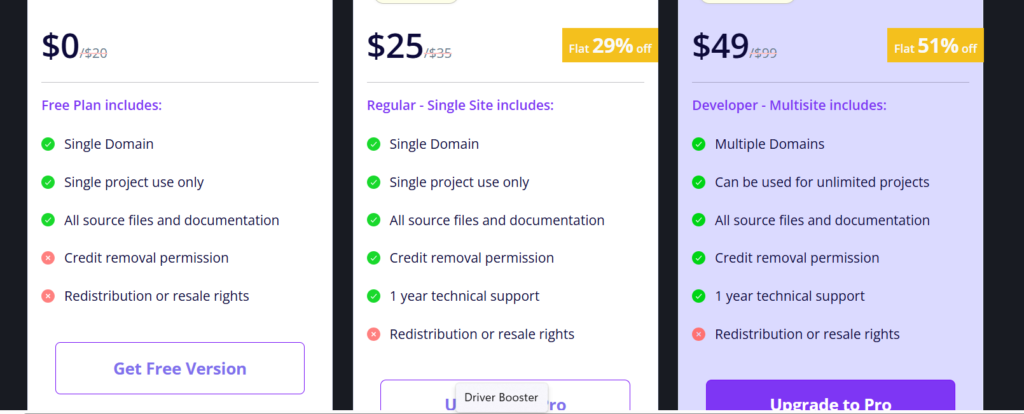
When choosing the Best Email Marketing Tools for Beginners, pricing and free plans are often the first things to consider. Most beginners want to start with low risk, so a free plan or affordable entry tier is important.
Many tools offer free plans, but they come with limits. For example, you may only be able to store a certain number of subscribers or send a limited number of emails per month. These plans are great for testing a platform, learning the basics, and building your first small list.
Paid plans usually unlock more features like automation, better analytics, and higher sending limits. For beginners, the key is not to choose the cheapest tool—but the one that gives enough value as you grow. A slightly higher price can save time and give better results.
Another important factor is how pricing scales. Some tools increase costs quickly as your email list grows. Look for platforms with transparent pricing so you can predict future costs and avoid surprises.
Also check if the tool offers a free trial for premium features. This allows you to test advanced options before committing to a paid plan.
In short, the Best Email Marketing Tools for Beginners offer a balance of free access, fair pricing, and room to grow without forcing you to upgrade too early.
Features for Beginners
The Best Email Marketing Tools for Beginners focus on simple, useful features that help you start fast without feeling overwhelmed. You don’t need advanced tools at the beginning—you need the basics that work well.
One of the most important features is a drag-and-drop email builder. This lets you create emails without coding. You can quickly add text, images, and buttons, which saves time and keeps things simple.
Another key feature is ready-made templates. These templates help you send professional-looking emails even if you have no design experience. You just edit the content and send.
Beginner tools should also include basic automation. For example, welcome emails or simple follow-ups. This helps you stay consistent without doing everything manually.
List management is also important. You should be able to easily add subscribers, organize them, and send emails to the right people. Simple segmentation features are enough when starting.
Analytics should be clear and easy to understand. Beginners need simple data like open rates and click rates to know what’s working.
Overall, the Best Email Marketing Tools for Beginners give you only what you need to get started, without complex features that slow you down.
Automation and Workflows
The Best Email Marketing Tools for Beginners include simple automation features that save time and keep your emails consistent. Automation means your emails are sent automatically based on actions or timing—so you don’t have to do everything manually.
The most useful starting point is a welcome email. When someone joins your list, they instantly receive a message. This helps you build trust and start the relationship the right way.
Another helpful workflow is a basic email sequence. For example, you can send 3–5 emails over a few days to introduce your content, product, or service. This keeps new subscribers engaged without extra work.
Good beginner tools also offer visual workflow builders. These are simple drag-and-drop flows where you can see how your emails are connected. This makes automation easier to understand, even if you have no experience.
You should also look for trigger-based automation. This means emails are sent when a user takes an action—like signing up, clicking a link, or making a purchase. It helps you send the right message at the right time.
Overall, the Best Email Marketing Tools for Beginners make automation simple, not complex. You can start with basic workflows and improve over time as your skills grow.
Templates and Design Flexibility
The Best Email Marketing Tools for Beginners provide ready-made templates and simple design options so you can create professional emails quickly. You don’t need design skills to get started.
Templates are pre-designed email layouts. You can choose a style, add your text, insert images, and send. This saves time and helps your emails look clean and consistent.
Good beginner tools offer different types of templates, such as newsletters, promotions, and welcome emails. This makes it easier to match your goal without starting from scratch.
Design flexibility is also important. You should be able to change colors, fonts, and layout with simple controls. A drag-and-drop editor makes this process fast and easy.
Another useful feature is mobile optimization. The Best Email Marketing Tools for Beginners automatically adjust your email design for phones. This is important because many people read emails on mobile devices.
You may also want to add your logo and brand colors. Even simple customization helps build trust and makes your emails look more professional.
Overall, the Best Email Marketing Tools for Beginners balance ease of use with enough flexibility to create emails that look good and match your brand
Integrations and Ecosystem
The Best Email Marketing Tools for Beginners should connect easily with other tools you already use. These connections are called integrations, and they help you save time by automating data between platforms.
For example, you may want to connect your email tool with your website, landing page builder, or eCommerce store. This allows new subscribers or customers to be added automatically to your email list.
Another important integration is with CRM tools. This helps you track your contacts, manage relationships, and send more relevant emails without manual work.
Beginner-friendly platforms usually offer one-click integrations. You don’t need technical skills—just connect and start using them. This makes your workflow smoother and faster.
The ecosystem also matters. Some tools have built-in features like landing pages, forms, and analytics. Others rely more on third-party apps. The Best Email Marketing Tools for Beginners often give you both options—simple built-in tools plus integrations if you need more.
As you grow, integrations become more important. They help you scale your email marketing without switching platforms.
Deliverability and Performance
The Best Email Marketing Tools for Beginners help your emails reach the inbox, not the spam folder. This is called deliverability, and it is one of the most important factors for success.
Good tools have strong sender reputations and built-in systems that improve your chances of landing in the inbox. As a beginner, you don’t need to manage this manually—the platform handles most of it for you.
Another key factor is email performance. This includes open rates, click rates, and basic engagement data. The Best Email Marketing Tools for Beginners show this data in a simple dashboard so you can quickly understand what is working.
To improve deliverability, many tools offer features like spam testing, email previews, and authentication (like domain verification). These help your emails look trustworthy to email providers.
Consistency also matters. Sending emails regularly and avoiding spammy content improves your results over time. Beginner tools often guide you with best practices to follow.
Overall, the Best Email Marketing Tools for Beginners make it easier to send emails that get opened, clicked, and trusted—without needing technical knowledge.
Customer Support and Learning Resources
The Best Email Marketing Tools for Beginners offer strong customer support and easy-to-follow learning resources. When you are just starting, you will have questions, so support matters.
Look for tools that provide live chat, email support, or help centers. Fast and helpful responses can save you time and prevent mistakes.
Learning resources are just as important. Many beginner-friendly tools include tutorials, guides, and video lessons. These help you understand how to use the platform step by step.
Some tools also have onboarding guides. These walk you through setting up your first email, list, and campaign. This makes the learning process much easier.
Community support can also help. Forums, user groups, or FAQs allow you to learn from others and find answers quickly.
Overall, the Best Email Marketing Tools for Beginners make sure you are not stuck or confused. They guide you, support you, and help you improve over time.
Scalability for Growth
conclusion
Final Thoughts
The Best Email Marketing Tools for Beginners are the ones that are simple, affordable, and easy to grow with. You don’t need complex features to start—you just need a tool that helps you build your list and send emails consistently.
Focus on ease of use, pricing, and basic features like templates and automation. These will give you the best results in the beginning without overwhelming you.
As you gain experience, you can always explore more advanced features. The key is to start simple and take action.
In the end, the Best Email Marketing Tools for Beginners are the ones that help you start quickly, learn faster, and grow your audience with confidence.
ADD