
ActiveCampaign vs ConvertKit: Which One Wins in 2026? (Full Comparison)
Choosing between ActiveCampaign vs ConvertKit isn’t as simple as picking the most popular tool—your results depend on the features you actually need. Many beginners and even experienced marketers struggle to decide which platform offers better automation, ease of use, and value for money. If you choose wrong, you could waste time, money, and miss growth opportunities.
In this guide, you’ll discover exactly how ActiveCampaign and ConvertKit compare in real-world use. We’ll break down features, pricing, automation power, and ideal use cases—so you can confidently choose the best email marketing tool for your goals in 2026.
What Is ActiveCampaign vs ConvertKit?
When comparing ActiveCampaign vs ConvertKit, you’re looking at two popular email marketing platforms designed to help you grow, manage, and monetize your audience—but they serve slightly different needs.
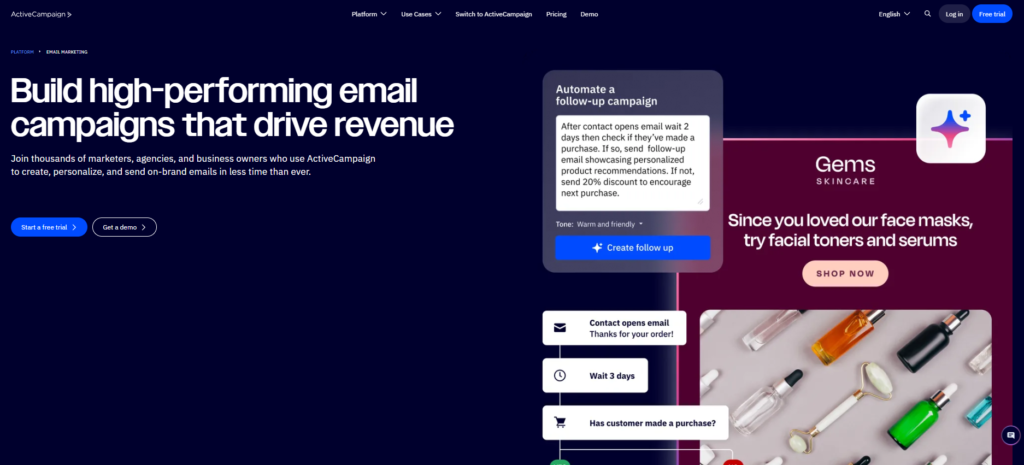
ActiveCampaign is a powerful all-in-one marketing automation tool built for businesses that want advanced features. It offers detailed automation workflows, built-in CRM, and deep audience segmentation. For example, you can send personalized email sequences based on user behavior, such as clicks, purchases, or page visits.
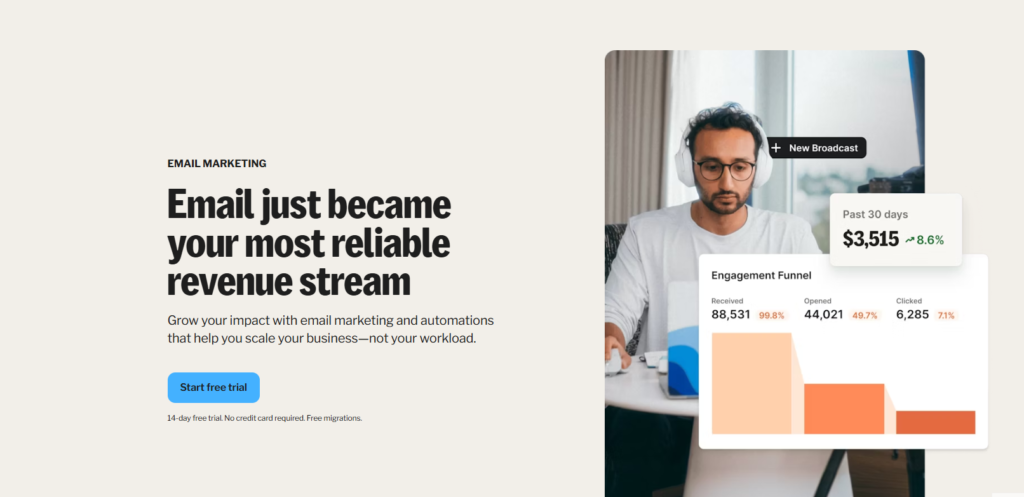
ConvertKit, on the other hand, focuses on simplicity and ease of use. It’s designed for creators like bloggers, YouTubers, and course sellers who want to build and engage an audience without dealing with complex setups. The interface is clean, and setting up email sequences is straightforward, even for beginners.
The main difference comes down to complexity and control. ActiveCampaign gives you more advanced tools and flexibility, while ConvertKit makes email marketing simple and accessible. Your choice depends on whether you need powerful automation or an easy, creator-friendly platform.
Key Features Comparison
ActiveCampaign is known for its advanced feature set. It offers a powerful automation builder where you can create complex workflows based on user behavior, such as clicks, purchases, or website visits. It also includes a built-in CRM, lead scoring, A/B testing, and detailed reporting. This makes it ideal if you want to personalize campaigns at scale and track the full customer journey.
ConvertKit, on the other hand, keeps things simple. Its features focus on easy email creation, basic automation, and audience management. You can quickly set up email sequences, tag subscribers, and send broadcasts without dealing with complicated settings. It also includes tools for creators, like landing pages and ways to monetize your audience through digital products or paid newsletters.
Here’s how they compare in practical terms. ActiveCampaign gives you more power, deeper automation, and better data insights. ConvertKit gives you speed, simplicity, and a cleaner experience for content-focused users. If you need advanced marketing control, ActiveCampaign stands out. If you want a tool that’s easy to learn and quick to use, ConvertKit is the better choice.
Pricing Plans and Value for Money
When comparing ActiveCampaign vs ConvertKit, pricing is one of the biggest deciding factors especially for beginners and growing businesses. Both tools use a subscriber-based pricing model, meaning your cost increases as your email list grows.
Here’s a clear side-by-side breakdown to help you understand the real value.
| Plan Feature | ActiveCampaign | ConvertKit |
|---|---|---|
| Starting Price | From $15/month | From $33/month |
| Free Plan | No (14-day trial only) | Yes (up to 10,000 subscribers) |
| Entry Plan Features | Automation, email campaigns, basic CRM | Basic automation, email sequences |
| Mid-Tier Price | Around $79/month | Around $59/month |
| Advanced Features | CRM, advanced automation, segmentation | Creator tools, monetization features |
| Pricing Model | Based on contacts & features | Based on subscribers |
| Scalability Cost | Increases quickly with advanced features | Increases with audience size |
ActiveCampaign starts cheaper, but its pricing increases as you unlock advanced features like CRM and deep automation. It’s built for businesses that want more control and are ready to invest as they scale.
ConvertKit, on the other hand, is more beginner-friendly with its free plan and simple pricing structure. It’s ideal if you’re just starting out or building a small audience, but costs can rise as your subscriber count grows.
In terms of value, ActiveCampaign gives you more power for the price, while ConvertKit gives you simplicity and a lower barrier to entry. Your best choice depends on whether you prioritize advanced features or ease of use.
Pros and Cons of Each Platform
When comparing ActiveCampaign vs ConvertKit, understanding the pros and cons of each platform is what really helps you make the right decision. Both tools are powerful—but they shine in different areas and come with trade-offs you should know before choosing.
ActiveCampaign Pros
ActiveCampaign stands out for its advanced capabilities and flexibility. It’s built for users who want full control over their marketing.
- Powerful automation workflows with deep customization
- Advanced segmentation and targeting options
- Built-in CRM for managing leads and sales
- Strong integrations with hundreds of tools
- Reliable email deliverability and performance
ActiveCampaign Cons
That power comes at a cost, especially for beginners.
- Steep learning curve for new users
- No free plan (only a limited trial)
- Pricing increases quickly as your list grows
- Can feel slow or complex when building campaigns
ActiveCampaign is best if you want advanced automation and are willing to invest time learning the system.
ConvertKit Pros
ConvertKit focuses on simplicity and ease of use, making it ideal for creators and beginners.
- Very easy to learn and set up
- Clean and intuitive automation builder
- Free plan available for small lists
- Great for bloggers, creators, and content businesses
- Simple tagging system for managing subscribers
ConvertKit Cons
However, simplicity also means fewer advanced features.
- Limited email design and customization options
- Less powerful automation compared to ActiveCampaign
- Can become expensive as your audience grows
- Fewer advanced testing and reporting features
ConvertKit is best if you want a simple, fast, and beginner-friendly email marketing tool without technical complexity.
In short, ActiveCampaign gives you more power and control, while ConvertKit gives you simplicity and speed. The better choice depends on whether you value advanced features or an easy-to-use platform.
ActiveCampaign vs ConvertKit: Which Is Best for You?
When it comes to ActiveCampaign vs ConvertKit, the “best” option really depends on your goals, experience level, and how you plan to use email marketing. There isn’t a one-size-fits-all winner—but there is a right choice for you.
If you’re a beginner or creator, ConvertKit is usually the better starting point. It’s designed for simplicity, so you can quickly create emails, build a list, and even monetize your audience with tools like paid newsletters or digital products. It’s ideal if you want to focus on content without getting overwhelmed by complex features.
ActiveCampaign, on the other hand, is built for businesses that want to scale. It offers advanced automation, detailed segmentation, and a built-in CRM, making it perfect for managing leads and creating highly personalized customer journeys. If your goal is to grow a business and optimize conversions, it gives you much more control.
Here’s a simple way to decide:
- Choose ConvertKit if you want ease of use, fast setup, and creator-focused tools
- Choose ActiveCampaign if you need powerful automation, advanced targeting, and business growth features
In short, ConvertKit is best for simplicity and creators, while ActiveCampaign is best for power and scaling. Your “winner” depends on whether you value ease or advanced performance.
Performance and Ease of Use
When comparing ActiveCampaign vs ConvertKit, performance and ease of use can make or break your experience especially if you’re just getting started or managing multiple campaigns.
ActiveCampaign delivers strong performance, particularly in automation and email delivery. In fact, it has been reported to achieve around a 93% deliverability rate, meaning more of your emails actually reach inboxes instead of spam folders. This makes it a powerful choice if results and scalability matter to you. However, that power comes with complexity. The platform includes many advanced features, which can feel overwhelming at first and require time to learn properly.
ConvertKit takes the opposite approach. It focuses on simplicity and speed, offering a clean interface and an easy-to-use automation builder. You can set up email sequences and manage subscribers quickly without technical knowledge. While it doesn’t have the same depth as ActiveCampaign, it’s designed to help beginners get results without confusion.
In terms of usability ratings, ActiveCampaign scores slightly higher overall but is more complex, while ConvertKit is easier to navigate but less powerful.
In short, ActiveCampaign performs better for advanced users who want control and detailed insights, while ConvertKit wins for ease of use and a smoother learning curve.
Tips to Choose the Right Email Marketing Tool don’t do dots brother
Choosing between ActiveCampaign vs ConvertKit becomes much easier when you focus on what actually matters for your goals instead of just features.
Start by thinking about your experience level. If you’re new to email marketing, a simple tool like ConvertKit will help you get started faster without confusion. If you already understand automation and want more control, ActiveCampaign will give you deeper capabilities.
Next, consider what you’re trying to achieve. If your goal is to build an audience, send newsletters, and maybe sell digital products, simplicity is more important than advanced features. But if you want to create complex funnels, track customer behavior, and improve conversions, you’ll need a more powerful platform.
Budget is another key factor. Some tools look cheap at first but become expensive as your list grows. Always think long-term and choose a platform you can afford as you scale.
Also, pay attention to ease of use. A tool is only useful if you actually use it. If the dashboard feels confusing, you’re less likely to get results.
Finally, test before you commit. Most platforms offer free plans or trials, so try them yourself and see which one feels right. The best email marketing tool is the one you can use confidently and consistently.
Conclusion
When comparing ActiveCampaign vs ConvertKit, there is no single winner for everyone. The right choice depends on your needs, goals, and experience level.
If you want a simple, beginner-friendly platform that helps you build and engage an audience quickly, ConvertKit is the better option. It removes complexity and lets you focus on content and growth.
If you need advanced automation, deeper control, and tools to scale a serious business, ActiveCampaign is the stronger choice. It requires more effort to learn, but the long-term benefits can be much greater.
In the end, both platforms are excellent. The best decision is to choose the one that matches your current stage and helps you move forward with confidence.
FAQ
What is the main difference between ActiveCampaign vs ConvertKit?
The main difference is complexity and power. ActiveCampaign offers advanced automation, CRM, and deep segmentation, while ConvertKit focuses on simplicity and ease of use for creators and beginners.
Is ActiveCampaign better than ConvertKit for beginners?
Not usually. ActiveCampaign can feel overwhelming if you’re just starting out. ConvertKit is generally a better choice for beginners because it’s easier to learn and faster to set up.
Which tool is better for automation?
ActiveCampaign is the clear winner when it comes to automation. It allows you to build complex workflows based on user behavior, while ConvertKit keeps automation simple and limited.
Which is better for growing a business?
ActiveCampaign is better for scaling a business because of its advanced features, detailed tracking, and automation capabilities.