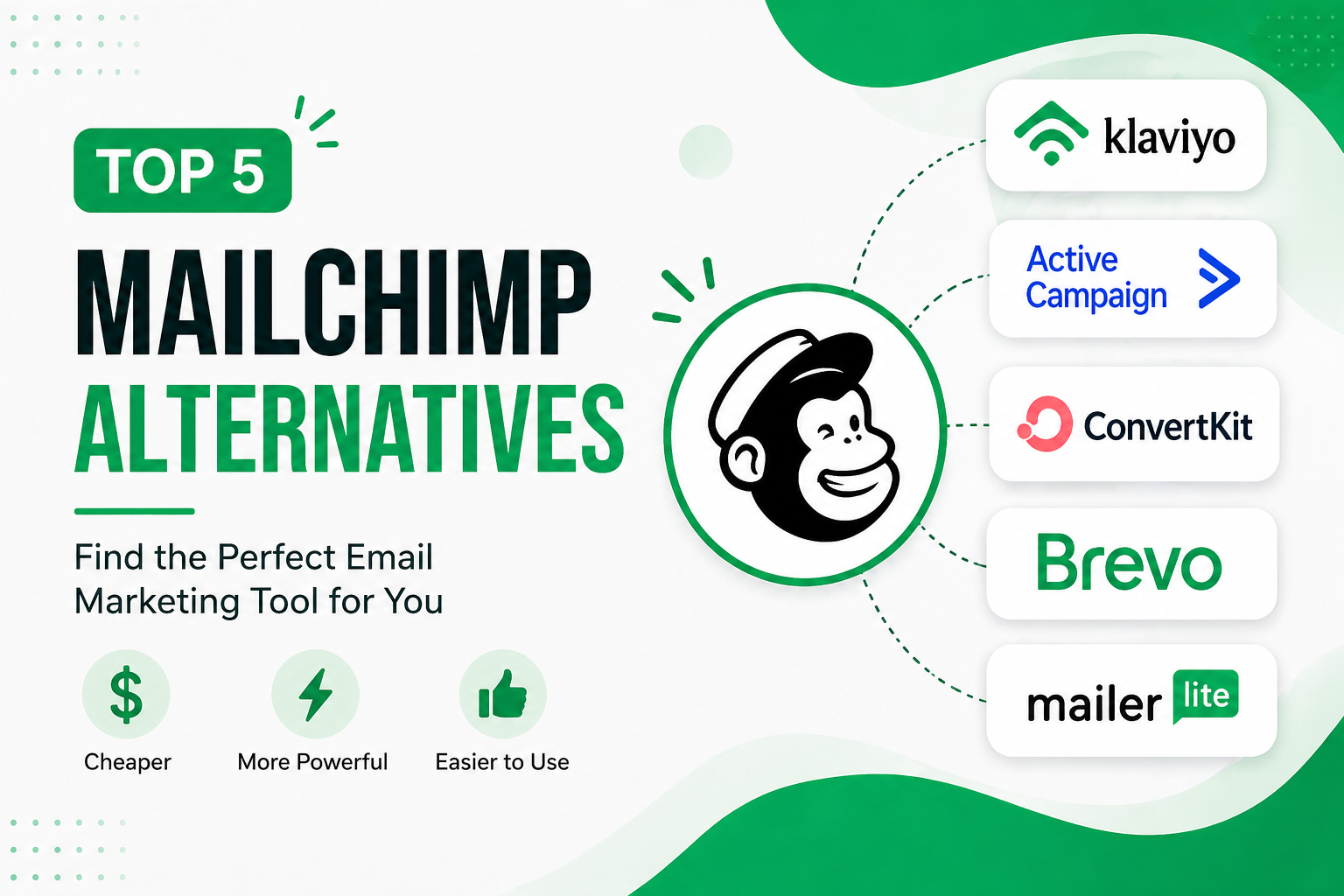
Best Mailchimp Alternatives (2026): Top Picks Compared
Most people searching for Mailchimp alternatives aren’t just browsing something isn’t working anymore.
When you start looking for alternatives to Mailchimp, it usually means your current setup is holding you back.
Usually, it’s one of these:
Your monthly cost suddenly jumps as your list grows
Automation feels too limited for what you want to build
Or you realize you’re paying for features you don’t even use
Mailchimp is still a solid starting point, but it’s not built for everyone — especially once your business starts growing.
The good news? There are better tools depending on what you actually need.
Some are cheaper.
Some are far more powerful.
And some are simply easier to use.
In this guide, you’ll find the best Mailchimp alternatives based on real use cases — so you can choose the right tool without wasting time testing everything yourself.
Best Mailchimp Alternatives (Quick Picks)
If you don’t want to read the full comparison, here are the top Mailchimp alternatives based on different needs:
Best Overall: ActiveCampaign
If you want a balance of power and usability, this is the strongest all-around choice.
It offers advanced automation, better segmentation than Mailchimp, and scales much more smoothly.
Best for Beginners: MailerLite
Simple, clean, and easy to learn.
Perfect if you’re just starting and don’t want to deal with complex setups.
Best for Ecommerce: Klaviyo
Built specifically for online stores.
Its automation, customer tracking, and revenue-focused features are far ahead of Mailchimp.
Best Budget Option: Brevo
One of the most affordable tools with solid features.
Great if you want good performance without high monthly costs.
Best for Creators: ConvertKit
Designed for bloggers, YouTubers, and personal brands.
Focuses on simplicity, audience building, and monetization.
Keep reading for a detailed comparison, pros & cons, and exactly which tool is right for your situation.
Why Look for Alternatives to Mailchimp?
For many businesses, the decision to move away from Mailchimp doesn’t come from curiosity it comes from friction. At the beginning, Mailchimp feels simple and accessible, which is why so many people start there. But as your audience grows and your marketing becomes more sophisticated, small limitations start turning into real obstacles. What worked when you had a few hundred subscribers often stops working when you’re managing thousands, running campaigns, or trying to build automated customer journeys that actually drive revenue.
The search for alternatives is usually about finding a better fit, not just a different tool. People want more control over automation, clearer pricing, deeper insights into their audience, and a system that grows with their business instead of slowing it down. In other words, they’re not just switching tools they’re upgrading how they approach email marketing.
Email marketing remains one of the highest-performing digital channels, with an average return of around $36 for every $1 spent, according to industry data .
This is exactly why choosing the right platform matters — because even small improvements in automation or targeting can significantly increase your results.
Common Problems Users Face
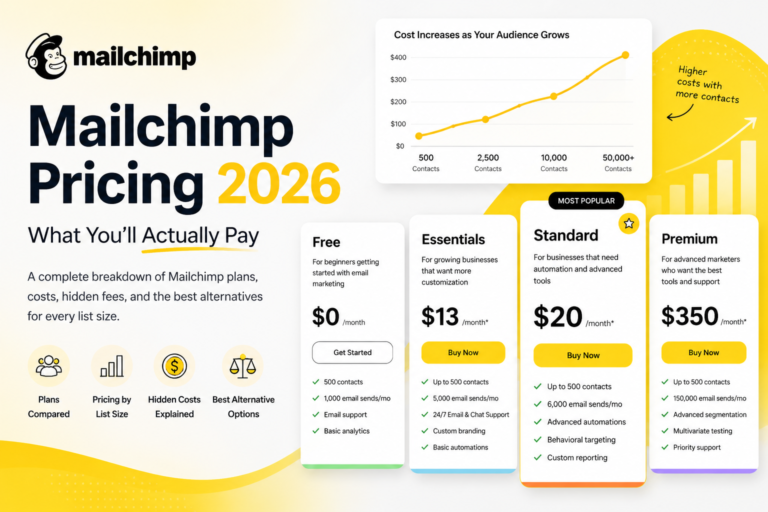
One of the biggest frustrations is pricing. Mailchimp’s costs can increase quickly as your subscriber list grows, and many users feel like they are paying more without getting significantly more value in return. What starts as an affordable option can become difficult to justify, especially for small businesses or creators trying to stay lean.
Another common issue is automation. While Mailchimp does offer automation features, they can feel limited when compared to more advanced platforms. Businesses that want to create detailed customer journeys, behavior-based triggers, or multi-step funnels often find themselves restricted. This becomes even more noticeable for ecommerce brands or marketers who rely heavily on personalization.
Ease of use can also become a problem over time. While Mailchimp is beginner-friendly at first, managing complex campaigns, segments, and reports can feel unintuitive as your needs grow. Instead of saving time, the platform can start adding friction to your workflow.
There’s also the issue of scalability. Many users reach a point where Mailchimp no longer aligns with their business model. Whether it’s missing integrations, limited customization, or lack of advanced features, the platform can feel like it wasn’t designed for the next stage of growth.
When Mailchimp Is Still a Good Choice
Despite these challenges, Mailchimp is not a bad platform. In fact, for certain users, it remains a very practical choice. If you are just starting out and need a simple way to send newsletters, manage a small list, and learn the basics of email marketing, Mailchimp still does the job well.
It’s also a good fit for businesses that don’t rely heavily on automation or advanced segmentation. If your strategy is focused on occasional campaigns rather than complex funnels, the platform’s simplicity can actually be an advantage. You spend less time setting things up and more time executing.
For teams that value a well-known, widely supported tool, Mailchimp offers reliability and a large ecosystem of integrations. Many guides, tutorials, and third-party tools are built around it, which makes onboarding easier compared to newer or more specialized platforms.
In the end, the decision isn’t about whether Mailchimp is good or bad. It’s about whether it still matches your current needs. If your marketing has outgrown its capabilities, exploring alternatives isn’t just a smart move it’s often necessary to keep improving results.
Best Mailchimp Alternatives (Quick Picks)
If you want the fastest answer without going deep into comparisons, these are the strongest alternatives to Mailchimp based on real use cases:
Best Overall Alternative: ActiveCampaign
The best balance of automation, flexibility, and long-term scalability. It simply does more than Mailchimp once your needs grow.
Best for Beginners: MailerLite
Clean interface, easy setup, and no learning curve. Ideal if you just want to start sending emails without complexity.
Best for Ecommerce: Klaviyo
Built for online stores with advanced automation and revenue tracking. A clear upgrade for ecommerce-focused businesses.
Best Budget Option: Brevo
Strong features at a lower cost, making it perfect if you need affordable email marketing without sacrificing performance.
Top Mailchimp Alternatives Compared
Choosing the right alternative to Mailchimp isn’t about picking the “most popular” tool it’s about choosing the one that actually fits how your business grows, sells, and communicates. Each platform below solves a different problem better than Mailchimp, and understanding those differences is what helps you make the right decision the first time.
Klaviyo Best for Ecommerce
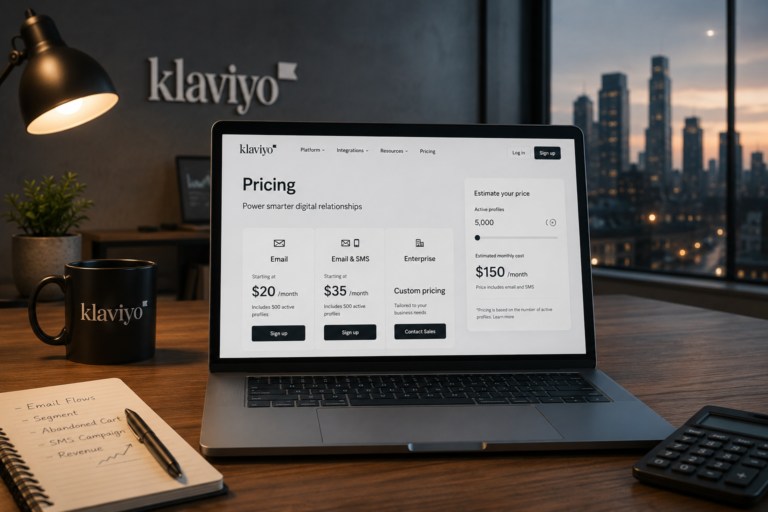
Klaviyo is built specifically for ecommerce, and that focus shows in everything from its data tracking to its automation. Unlike Mailchimp, which tries to serve everyone, Klaviyo goes deep into customer behavior. It tracks what people view, click, and buy, then uses that data to create highly targeted email and SMS campaigns.
This makes a real difference when it comes to revenue. Instead of sending generic campaigns, you can build flows like abandoned cart reminders, post-purchase follow-ups, and win-back sequences that are triggered automatically based on customer actions. The level of personalization is far beyond what Mailchimp typically offers out of the box.
However, this power comes with a trade-off. Klaviyo is not the cheapest option, and it can feel overwhelming if you’re new to email marketing. It’s best suited for stores that already have consistent traffic and want to maximize revenue from their audience. If you run an ecommerce business and email is a core growth channel, Klaviyo isn’t just an alternative — it’s often a direct upgrade.
ActiveCampaign Best for Automation
ActiveCampaign stands out for one reason: automation depth. While Mailchimp offers basic workflows, ActiveCampaign allows you to build complex, multi-step customer journeys that adapt in real time based on user behavior.
This means you can create experiences that feel personal at scale. For example, you can send different emails depending on what someone clicked, how long they waited, or whether they purchased. It also combines email marketing with CRM features, giving you a clearer view of your customers and how they move through your funnel.
Where it really wins is flexibility. You’re not locked into simple sequences — you can design full systems that nurture leads, convert them, and keep them engaged over time. That said, it does require more time to learn. It’s not as plug-and-play as simpler tools, but the payoff is much greater control.
If your goal is to move beyond basic campaigns and build a serious marketing engine, ActiveCampaign is one of the strongest upgrades from Mailchimp.
ConvertKit Best for Creators
ConvertKit takes a different approach. Instead of focusing on complex features, it focuses on clarity and ease of use for creators. Bloggers, YouTubers, and personal brands benefit from a system that is built around growing and monetizing an audience rather than managing large-scale marketing operations.
One of its biggest strengths is how it handles subscribers. Instead of treating people as separate list entries, ConvertKit uses a tag-based system that makes segmentation simple and intuitive. This allows creators to send more relevant emails without dealing with complicated setups.
ConvertKit is not trying to compete with enterprise-level tools. It’s designed for a specific type of user, and for that audience, it often feels more natural and efficient than Mailchimp.
Brevo Best Budget Option
Brevo stands out by offering strong functionality at a lower cost, which is exactly what many users are looking for when leaving Mailchimp. Instead of charging primarily based on the number of contacts, it focuses more on email volume, which can make pricing far more predictable and manageable.
Despite being budget-friendly, it doesn’t feel limited. You still get automation, segmentation, and even additional features like SMS marketing. This makes it a practical choice for small businesses that want solid performance without committing to high monthly costs.
Where Brevo may fall short is in advanced customization and depth compared to more premium platforms. It covers the essentials well, but it’s not designed for highly complex marketing systems. For many users, though, that’s not a drawback — it’s a benefit. You get what you need without unnecessary complexity.
If your main reason for leaving Mailchimp is cost, Brevo is one of the most logical alternatives available.
MailerLite Best for Simplicity
MailerLite focuses on doing the basics extremely well. It’s one of the easiest platforms to learn, making it ideal for beginners or small teams that don’t want to spend time figuring out complicated systems.
The interface is clean, the setup is straightforward, and most features are easy to understand even if you’ve never used an email marketing tool before. You can create campaigns, build simple automations, and manage subscribers without feeling overwhelmed.
What makes MailerLite different from Mailchimp is how lightweight it feels. There’s less friction, fewer distractions, and a clearer workflow. While it doesn’t offer the same depth as tools like ActiveCampaign or Klaviyo, it delivers a smoother experience for users who value simplicity over advanced functionality.
MailerLite is best for those who want to get started quickly and maintain a consistent email strategy without dealing with complexity. For many small businesses and beginners, that’s exactly what makes it a better choice than Mailchimp.
How to Choose the Right Mailchimp Alternative
Choosing an alternative to Mailchimp is not about features alone it’s about alignment. The biggest mistake people make is picking the “best tool” instead of the right tool for their situation. Most platforms look similar on the surface, but the difference shows in how they fit your business model and how much they cost you over time.
If you focus on just two things your business type and your budget the decision becomes much clearer and faster.
Based on Your Business Type
The most important question is how you actually use email in your business. Different tools are built for different workflows, and choosing the wrong one creates friction immediately.
If you run an ecommerce business, your priority is revenue. You need deep customer tracking, behavior-based automation, and flows like abandoned cart and post-purchase emails. Tools like Klaviyo are designed specifically for this, with advanced segmentation and real-time data that go far beyond what general tools offer. Many businesses switch for this exact reason — Mailchimp simply doesn’t go deep enough for ecommerce growth.
If you’re a creator, blogger, or personal brand, your focus is different. You care about building an audience, sending consistent content, and monetizing through simple funnels. In this case, something like ConvertKit works better because it removes complexity and focuses on clarity. You don’t need enterprise-level automation — you need something that helps you stay consistent.
If your business relies on automation and lead nurturing, then flexibility becomes critical. Tools like ActiveCampaign allow you to build complex workflows based on behavior, which is something Mailchimp struggles to handle at a deeper level. This is especially useful for agencies, SaaS, and service-based businesses where the customer journey is longer and more dynamic.
And if you’re just starting or running a small business, simplicity matters more than power. A platform like MailerLite is often a better fit because it gives you everything you need without overwhelming you. Many users move away from Mailchimp simply because they want something easier and more focused.
The key idea is simple: don’t choose based on features choose based on how you actually send emails.
Based on Your Budget
Budget is where most people decide to switch from Mailchimp. The platform often becomes expensive as your list grows, and many users feel the cost increases faster than the value they receive.
What matters here is not just the price, but how pricing works.
Some tools, like Brevo, charge based on the number of emails you send rather than the number of contacts you store. This can dramatically reduce costs if you have a large list but don’t email everyone frequently.
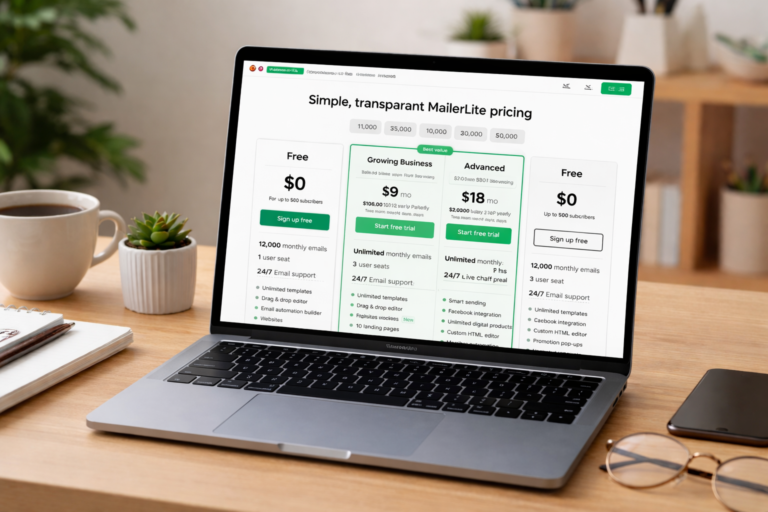
Others, like MailerLite, offer generous free plans and lower starting prices, making them ideal if you want to keep costs predictable while you grow.
On the other hand, more advanced tools like ActiveCampaign or Klaviyo can become more expensive — but they often justify that cost by generating more revenue through better automation and targeting. In other words, you may pay more, but you also earn more if you use them correctly.
The real decision is not “which is cheapest,” but which gives you the best return for your stage. A cheaper tool that limits your growth can cost more in the long run, while a more powerful tool can pay for itself if it improves your results.
At the end of the day, the right Mailchimp alternative is the one that fits both your workflow and your economics. When those two align, the choice becomes obvious and you stop second-guessing your decision.
Final Verdict: Which Alternative Should You Choose?
There isn’t one “best” alternative to Mailchimp there’s only the one that fits how you actually run your business. Most people make the mistake of comparing features, but the real difference comes down to how each tool performs in your specific situation.
If you want the simplest, most direct answer:
If your goal is power and long-term growth, go with ActiveCampaign. It gives you deeper automation, better segmentation, and more control over your customer journey. This is why many advanced users switch — Mailchimp’s automation often feels limited in comparison .
If you run an ecommerce business, the choice is even clearer. Klaviyo is built for revenue, not just emails. Its ability to track behavior and trigger personalized campaigns makes it far more effective for online stores.
If you care about simplicity and cost, then MailerLite or Brevo are the smartest moves. They deliver similar core features at a lower price point, which is one of the main reasons people leave Mailchimp in the first place .
If you’re a creator or personal brand, then ConvertKit is the better fit. It removes unnecessary complexity and focuses on what actually matters — building and monetizing an audience.
The Simple Way to Decide (No Overthinking)
Instead of comparing everything, just match yourself to one of these:
- You want advanced marketing system → ActiveCampaign
- You want more ecommerce revenue → Klaviyo
- You want cheap + simple → MailerLite or Brevo
- You want creator-focused workflow → ConvertKit
The Honest Truth
Mailchimp is not a bad tool. In fact, it’s still one of the easiest platforms to start with. But as your needs grow, its pricing, automation limits, and scalability issues become harder to ignore .
That’s why most people don’t just switch tools — they switch to something that aligns better with how they make money.
Final Insight
The best Mailchimp alternative is not the one with the most features.
It’s the one that makes your marketing simpler, more effective, and more profitable.
Choose based on that, and you won’t need to switch again.
FAQs
What is the best free Mailchimp alternative?
The best free alternative to Mailchimp right now is MailerLite.
It offers a much more generous free plan, including up to 1,000 subscribers and automation features that Mailchimp has removed from its own free tier.
Another strong free option is Brevo, which allows unlimited contacts and focuses on how many emails you send instead of how many subscribers you store.
In simple terms:
If you want easy + free + beginner-friendly → MailerLite
If you want more flexibility with large lists → Brevo
Is there a better tool than Mailchimp?
Yes — and in many cases, multiple tools are better depending on your needs.
Mailchimp is still a solid platform, but it often falls behind in key areas like pricing, automation depth, and scalability. In 2026, many alternatives outperform it in specific use cases.
For example, ActiveCampaign offers significantly more advanced automation, while Klaviyo is far more powerful for ecommerce businesses.
The real answer is this:
There is no single “better” tool — only a better tool for your situation.
Which Mailchimp alternative is best for beginners?
If you’re just starting out, MailerLite is usually the best choice.
It has a clean interface, simple setup, and fewer distractions compared to Mailchimp, which can feel overwhelming as more features are added over time. Many beginners switch because they want something easier to use without sacrificing essential features.
If your goal is to learn fast and launch quickly, MailerLite is often the better starting point.